

The General Motors Collision Repair Network
In today’s automotive landscape, safety and quality are paramount concerns for both manufacturers and consumers. Recognizing the significance of ensuring proper repairs after collisions, General Motors (GM) has established the General Motors Collision Repair Network, aimed at maintaining high standards of repair for vehicles bearing the GM badge. Let’s delve into what this network entails and the rigorous requirements for becoming GM Collision Certified.
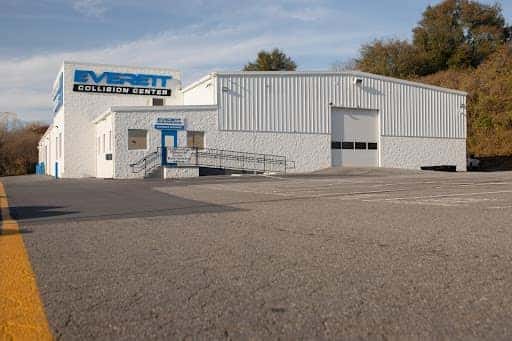
Understanding the GM Collision Repair Network:
The GM Collision Repair Network serves as a network of collision repair facilities authorized by General Motors. These facilities undergo a stringent certification process to ensure that they possess the expertise, equipment, and commitment to deliver top-tier repair services for GM vehicles.
GM Collision Certification offers several benefits for both repair facilities and vehicle owners:
1. Quality Assurance: Certified repair facilities adhere to GM’s stringent repair standards, ensuring that repairs are conducted correctly and in line with manufacturer specifications.
2. Access to Genuine Parts: GM Collision Certified facilities have access to genuine GM parts, which are specifically designed for optimal fit, performance, and safety.
3. Manufacturer Support: Certified facilities receive support from GM, including access to technical repair information and ongoing training to stay updated with the latest repair techniques and technologies.
4. Peace of Mind for Owners: Vehicle owners can trust that their GM vehicle is in capable hands when they choose a GM Collision Certified facility for repairs, providing peace of mind regarding the quality and safety of the repair work.
Requirements for GM Collision Certification:
Becoming GM Collision Certified is no small feat. Repair facilities must meet rigorous requirements set forth by General Motors. While specific criteria may vary, the following are common prerequisites:
1. Facility Standards: The repair facility must meet certain standards regarding equipment, tools, and facilities. This includes having adequate workspace, specialized tools for GM repairs, and equipment calibrated to manufacturer specifications.
2. Technician Training: Technicians working at the repair facility must undergo specialized training provided or approved by General Motors. This training covers various aspects of collision repair, including structural repair, welding, painting, and finishing techniques.
3. Repair Procedures: Certified facilities must adhere to GM’s repair procedures and guidelines for all repairs. This ensures that repairs are conducted correctly and safely, using approved methods and materials.
4. Quality Control Measures: The facility must have quality control measures in place to ensure that repairs meet GM’s standards. This includes thorough inspections before and after repairs to verify the quality and integrity of the work performed.
5. Continuous Improvement: GM Collision Certified facilities are expected to demonstrate a commitment to continuous improvement. This involves staying updated with industry advancements, participating in ongoing training programs, and implementing feedback from GM and customers to enhance their repair processes.
The General Motors Collision Repair Network plays a crucial role in upholding the safety, quality, and integrity of GM vehicles after collisions. By adhering to strict certification requirements and standards, GM Collision Certified facilities ensure that repairs are conducted with precision and expertise, providing peace of mind for vehicle owners and maintaining the trust and reputation of the GM brand in the automotive industry.
0 comment(s) so far on The General Motors Collision Repair Network