



2 Main Options: Gas and Diesel, which is best for you?
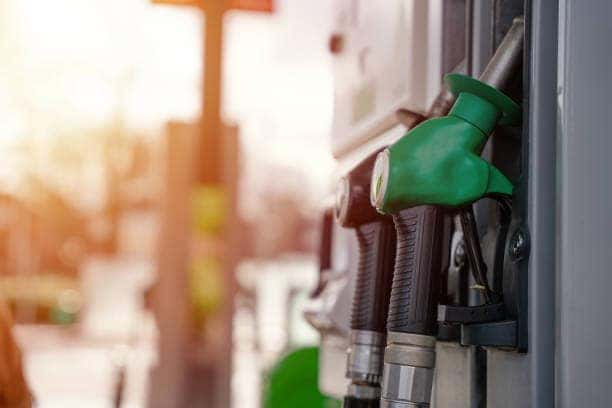
When it comes to powering your car, you have two main options: gas and diesel. Both have their own unique advantages and disadvantages, so it can be hard to decide which one is right for you. In this blog post, we’ll go over the pros and cons of each fuel type, so you can make an informed decision on whether gas or diesel is the right choice for your vehicle.
Gas and diesel are both commonly used fuel sources for cars, trucks, and other vehicles. While they may look the same, they are very different. Gasoline is made up of a blend of hydrocarbons that is processed from crude oil, while diesel is made from distillates of crude oil.
The most obvious difference between gas and diesel is that gas is generally a lighter fuel, while diesel is heavier and contains more energy per unit volume than gasoline. This means that a diesel engine can be more efficient than a gasoline engine because it requires less fuel to generate the same amount of power.
Another difference between gas and diesel is in the way they ignite. Gasoline needs spark plugs to ignite the fuel, while diesel engines use compression to ignite the fuel. The diesel engine compresses the air inside its cylinders to a very high temperature, which ignites the fuel.
Finally, gas and diesel also vary in terms of emissions. Gasoline engines emit more nitrogen oxide (NOx) and particulate matter (PM) than diesel engines. Diesel engines also have fewer emissions of volatile organic compounds (VOCs). However, diesel engines produce more carbon dioxide (CO2) and other greenhouse gases.
Gasoline is the most widely available fuel for vehicles in the US, and it is generally the least expensive option. Gasoline-powered engines are less complex than diesel engines, so they tend to require less maintenance and fewer repairs over the life of the vehicle. In addition, gasoline engines tend to produce more power at lower engine speeds compared to diesel engines, making them ideal for lighter vehicles like cars and smaller SUVs. Finally, because gasoline is more combustible than diesel fuel, it generally produces less emissions, which can be beneficial for the environment.
However, gasoline can be an expensive fuel choice compared to diesel. It typically costs more upfront to buy gasoline vehicles, and they often require more frequent refueling. Gasoline engines also tend to be less fuel-efficient than diesel engines, which can lead to higher fuel costs over time. Additionally, gasoline engines produce more pollutants than diesel engines, which can be harmful to the environment. Finally, gasoline engines are less reliable and require more maintenance than diesel engines, making them a potentially less cost-effective option in the long run.
On the other hand, diesel fuel is known for its superior fuel efficiency and performance, making it an attractive option for many car owners. Compared to gasoline, diesel fuel offers a number of advantages. Diesel engines are more efficient than their gasoline counterparts, resulting in better fuel economy. According to the US Department of Energy, diesel-powered vehicles can get up to 30 percent better fuel economy than those with gasoline engines. This means that if you drive a diesel vehicle, you’ll be able to save more money in the long run. Diesel engines tend to have more torque than their gasoline counterparts, providing more power and better acceleration. This makes diesel vehicles ideal for carrying heavy loads and towing trailers. These engines are built to last longer than gasoline engines, meaning they require less frequent maintenance and repairs. Furthermore, diesel engines often don’t need as much servicing due to their superior design.
Although diesel fuel can cost more than gasoline at times, the cost savings due to improved fuel economy can make up for it in the long run. Additionally, diesel engines are designed for longevity and require less frequent repairs, which can also help to offset costs.
Overall, diesel fuel offers a number of advantages over gasoline, including superior fuel economy, power and durability, as well as potential cost savings. For these reasons, many drivers opt for diesel-powered vehicles when shopping for a new car or truck.
It’s not all great news for diesel engines, though. They are known to have some drawbacks when compared to gasoline. The most notable is that diesel fuel is generally more expensive than gasoline. This is due to the higher energy content of diesel fuel, which requires more refining to produce than gasoline does. In addition, diesel engines require more frequent oil changes and maintenance compared to gasoline engines. Another potential disadvantage of diesel is its increased emissions of nitrous oxide (NOx) compared to gasoline. NOx is a pollutant that has been linked to global warming and other environmental concerns. The higher levels of NOx emitted by diesel engines require specialized emission control systems, resulting in additional costs.
In addition, the higher compression ratio of diesel engines can create more noise and vibration than gasoline engines, making them less pleasant to drive. And while diesel engines generally have a better fuel economy than gasoline engines, they may not be as efficient in city driving where stop-and-go traffic is common.
Finally, due to their larger size and weight, diesel engines are often more expensive to purchase compared to gasoline engines. This cost may be offset by the potential for increased longevity, but the upfront cost of purchase can be a deciding factor for many consumers.
When it comes to deciding between gas and diesel fuel, there are several factors to consider. Depending on what you are using your vehicle for, different types of fuel may be more suited to your needs. Here we will outline the pros and cons of each fuel type so that you can make an informed decision when selecting your fuel.
Ultimately, the decision between gas and diesel comes down to individual needs. By carefully weighing the advantages and disadvantages of each type of fuel, you can make an informed decision when selecting the fuel that best meets your requirements.
Shop our selection of gas or diesel vehicles today!
0 comment(s) so far on 2 Main Options: Gas and Diesel, which is best for you?